Pekingese vs. Rat Terrier: Breed Differences and Similarities
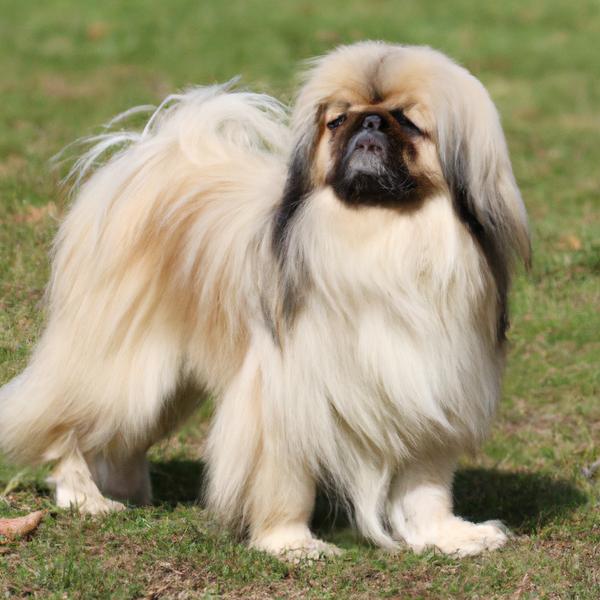
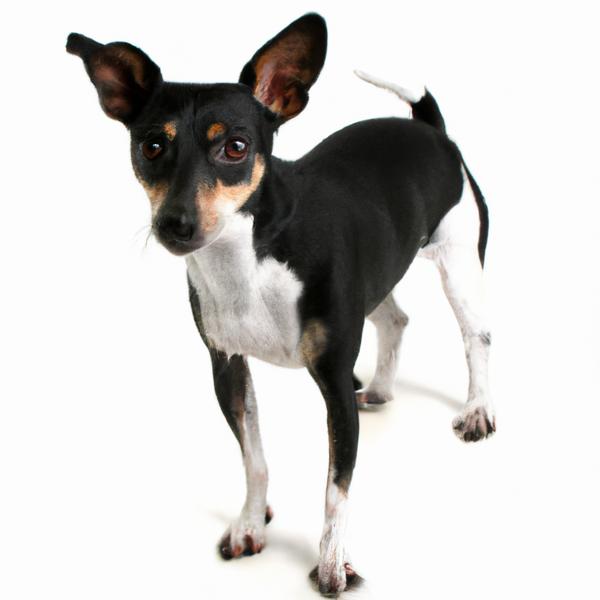
Weight Gain Potential
Which breed eats more: Pekingese or Rat Terrier?
The Pekingese and Rat Terrier breeds have an average risk of becoming obese. Daily walks and a balanced diet of quality dry dog food can help maintain a healthy weight. An active lifestyle and monitoring weight regularly is recommended.
Hypoallergenic
Are Pekingeses or Rat Terriers hypoallergenic, or neither?
Unfortunately, neither Pekingese nor Rat Terrier are hypoallergenic, which may not make them the best choice for dog lovers who suffer from pet allergies.
Temperament
What are the personalities of Pekingese and Rat Terrier dogs?
Affectionate
Good-natured
Opinionated
Aggressive
Intelligent
Stubborn
Affectionate
Inquisitive
Loving
Alert
Lively
Shedding Level
Do Pekingeses shed more than Rat Terriers, or which breed sheds more, Pekingeses or Rat Terriers?
Pekingeses are moderate shedders, but regular brushing can reduce shedding and maintain coat health.
Rat Terriers are heavy shedders, but regular brushing can help manage shedding and promote a healthy coat.
Watchdog Ability
Which dog breed makes a better watchdog, the Pekingese or Rat Terrier?
The Pekingese and Rat Terrier dogs are average watchdogs. If they sense something different, these breeds will alert their owner.
Origin
What is the origin of Pekingese and Rat Terrier dog breeds?
China
United States
Ancestry
What are the origins of Pekingese and Rat Terrier breeds?
Unknown
Terrier, Whippet, Greyhound, Beagle
Breed recognition
Which kennel clubs recognize/register Pekingese and Rat Terrier?
American Canine Registry
American Kennel Club
America's Pet Registry
Canadian Kennel Club
Dog Registry of America Inc.
Federation Cynologique Internationale
Kennel Club of Great Britain
North American Purebred Registry, Inc.
American Canine Association, Inc.
Australian National Kennel Council
National Kennel Club
New Zealand Kennel Club
United Kennel Club
Pekingese Club Of America
American Canine Registry
American Kennel Club
America's Pet Registry
Dog Registry of America Inc.
North American Purebred Registry, Inc.
American Canine Association, Inc.
Continental Kennel Club
National Kennel Club
United Kennel Club
Date of Birth
When were Pekingese and Rat Terrier breeds first developed?
8th Century
1800s
Breed Group
What is the Breed Group of Pekingese and Rat Terrier?
Toy (AKC:1906)
Companion Breeds (UKC)
Terrier (AKC:2013 & UKC)
Litter Size
What is the usual litter size for Pekingese and Rat Terrier?
A Pekingese can have a litter of 13-15 puppies on average. However, it's worth noting that the size of the litters can vary greatly. Factors that can influence litter size include the health of the mother, breeding history, and genetics.
A Rat Terrier can have a litter of 15-18 puppies on average. However, it's worth noting that the size of the litters can vary greatly. Factors that can influence litter size include the health of the mother, breeding history, and genetics.
Adaptability
Pekingese and Rat Terriers are known for their adaptability and versatility. They are capable of adapting well to a wide range of lifestyle changes and living environments, making them great companions for families and individuals of all lifestyles.
Health Issues
Between Pekingese and Rat Terrier, which breed is more prone to health problems?
Pekingeses typically have low vet costs due to their good health, but it's important to monitor their health and seek vet care when necessary.
While the Rat Terrier breed is generally healthy, occasional vet check-ups are still necessary to address any health concerns.
Major Concerns
What are the major health concerns for Pekingese and Rat Terrier breeds?
Patellar Luxation
Entropion
Skin Fold Dermatitis
Brachycephalic Syndrome
Exposure Keratopathy Syndrome
Patellar Luxation
Elbow Dysplasia
Hip Dysplasia
Minor Concerns
What minor health issues should be kept in mind when owning Pekingese and Rat Terrier?
KCS
Hydrocephalus
Eye Disease
Mitral Valve Disease
Demodectic Mange
Epilepsy
Legg-Calve-Perthes Disease
Color Dilution Alopecia
Teeth Issues
Occasional Tests
What occasional tests are recommended for Pekingese and Rat Terrier breeds?
Eye
Knee
Heart
X-Rays
Eye Examination
Physical Examination
Respiratory Tests
Hip
Elbow
X-Rays
Dental Examination
Physical Examination
Skin Evaluation
Energy
How do the energy levels of Pekingeses and Rat Terriers compare?
Pekingeses are a good choice for a low-key lifestyle due to their low energy levels.
Rat Terriers thrive on an active lifestyle due to their high-energy nature.
Social Needs
Pekingese vs Rat Terrier social needs comparison
Pekingese has average social needs and is less independent than other breeds.
Rat Terrier has very high social needs and requires regular mental and physical stimulation, a job or purpose, and companionship.
Exercise Needed
Pekingese vs Rat Terrier exercise need comparison.
Pekingeses require minimal physical activity for a healthy lifestyle.
Rat Terriers need moderate physical activity and are great for families and active individuals.
Sleeping Need
Which of the two sleeps the most/least: Pekingese or Rat Terrier?
Pekingeses are known for their relaxed and calm nature and enjoy long periods of sleep.
Rat Terriers are active and require sufficient sleep to stay healthy.
Drooling Tendency
Which drools more/less, Pekingese or Rat Terrier?
The Pekingese and Rat Terrier breeds are known for their low drooling tendencies, making them a suitable choice for people who don't want to deal with drool marks on their clothing.
Tendency to Bark
Do Pekingeses or Rat Terriers bark more/less frequently?
The Pekingese is a vocal breed that frequently barks and howls, and may not be suitable for those seeking a quiet companion.
Rat Terriers bark moderately when necessary and may also bark due to certain triggers like fear, alarm, boredom, greeting, separation anxiety and compulsive barking.
Territorial
Is the Pekingese or Rat Terrier a better guard dog?
Pekingese dogs have a strong protective nature and territorial instinct. They are highly vigilant and will fiercely defend their home and family.
Rat Terrier dogs are highly protective and make excellent guard dogs due to their strong instinct to defend their territory and owners, and their high level of vigilance.
Mouthiness
Mouthiness Comparison: Pekingese vs Rat Terrier?
Roaming urge
Pekingese vs Labrador: Running away tendency?
Prey Drive
Pekingese or Rat Terrier - which breed has a higher level of prey drive?
Past times
What are some enjoyable activities and ways to keep Pekingese and Rat Terrier entertained?
Sniffing, Eating, Laying down, Walk, Training, Walking, Gardening, Tug-of-war, Fetch, Snuggling, Snow play, Socializing, Grooming, Walks
Chase, Sniff, Bark, Trot, Fetch, Tug-of-war, Run, Playing, Chasing, Jumping, Running, Walking, Play, Walk, Play keep away
Tolerance of being left alone
Grooming
Which breed is easier to maintain in terms of grooming, Pekingeses or Rat Terriers?
Pekingeses have high grooming needs, requiring regular trims and professional grooming assistance to keep their coat healthy.
The Rat Terrier is a low-maintenance breed that doesn't require much grooming.
Intelligence
Comparing Intelligence: Pekingeses vs Rat Terriers
Pekingese is an independent and stubborn breed with low obedience intelligence, making training a test of patience.
Rat Terrier is a very intelligent and trainable breed.
Sensitivity Level
How do Pekingese and Rat Terrier compare in sensitivity?
Pekingeses are adaptable and resilient, making them ideal for those seeking a less sensitive pet.
This breed is sensitive and requires gentle handling and a calm home environment.
Affection Dependance
Which is the more affectionate dog breed: Pekingese vs Rat Terrier?
Apartment Friendly
Which breed is more apartment-friendly: Pekingese or Rat Terrier?
Pekingeses and Rat Terriers are known for being excellent apartment dogs. They are fairly active indoors and will do okay without a yard.
Child Friendly
Do Pekingeses or Rat Terriers have a friendlier temperament towards children?
Pekingeses are not suitable for children.
Rat Terriers make excellent family pets for kids due to their gentle, protective nature and calm temperament.
Senior-friendly
Which dog is more suitable as a pet for the elderly - Pekingese or Rat Terrier?
Cat Friendly
Do Pekingese or Rat Terrier breeds have a better compatibility with cats?
Pekingeses are very friendly with cats and make great companions for them.
Rat Terriers are good with cats, but early training is needed to prevent chasing behavior.
Dog Friendly
Which breed is more sociable with other dogs: Pekingese or Rat Terrier?
Pekingeses are average in their friendliness towards other dogs, and socialization can help.
Rat Terriers are friendly and active companions, and can be good family pets, though their friendliness towards other dogs may vary.
Pet friendly
How do Pekingese or Rat Terrier dogs interact with other pets?
Stranger Friendly
Which breed is more friendly with strangers: Pekingese or Rat Terrier?
Pekingeses are averagely friendly around strangers but benefit from early socialisation.
Rat Terriers are friendly but may bark at strangers, and training is easy due to their intelligence.
Playfulness
Which breed is more playful between Pekingese and Rat Terrier?
Pekingeses are not very fond of playing and prefer other activities.
Rat Terriers have an average level of playfulness, enjoying playtime like most dogs but not excessively so.
Trainability
How do the trainability levels of Pekingeses and Rat Terriers compare?
Pekingeses are popular for their ease of training and quick learning ability.
Rat Terriers are usually easy to train but require consistency to fully obey commands.
Compare Pekingese with other breeds
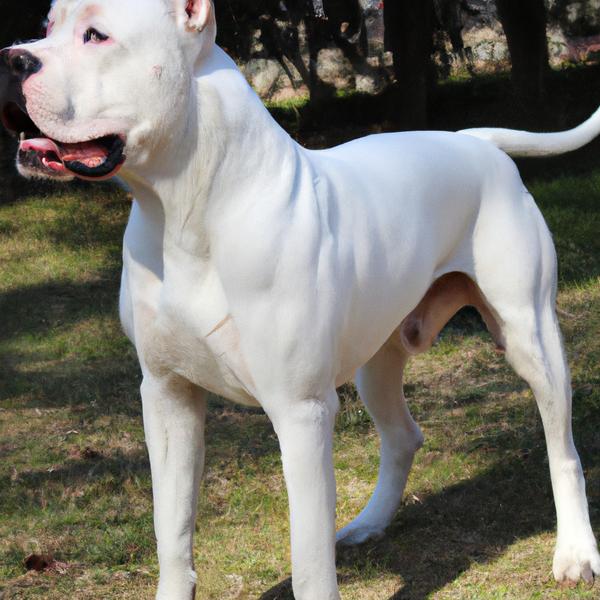
Dogo Argentino
Pekingese vs Dogo Argentino

Sheprador
Pekingese vs Sheprador
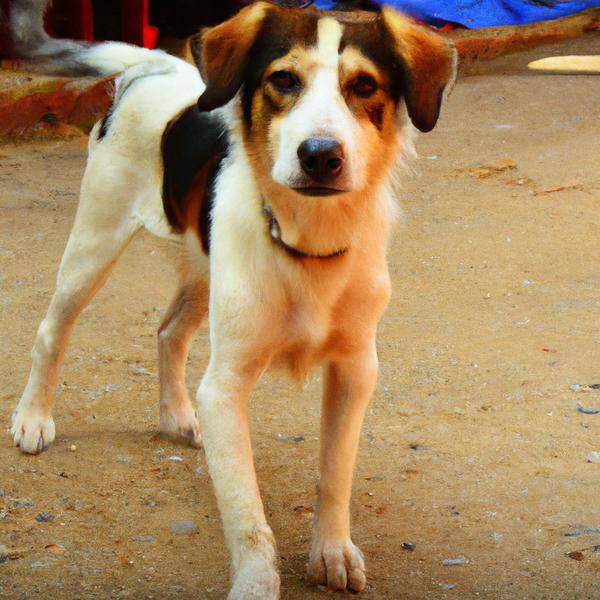
Wheagle
Pekingese vs Wheagle
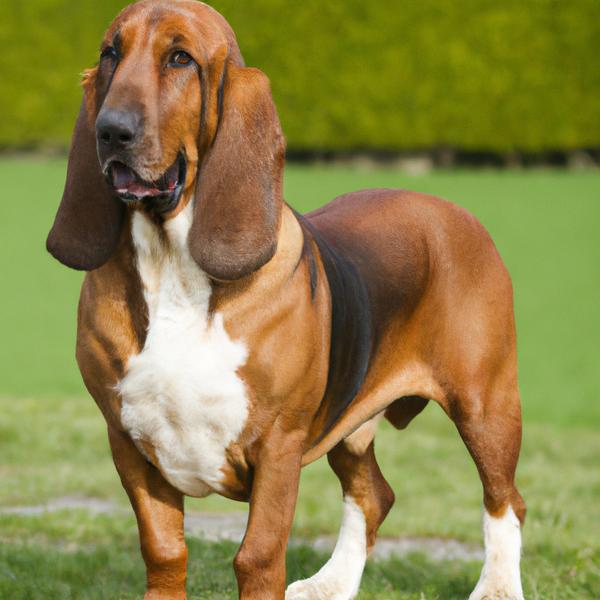
Irish Bostetter
Pekingese vs Irish Bostetter
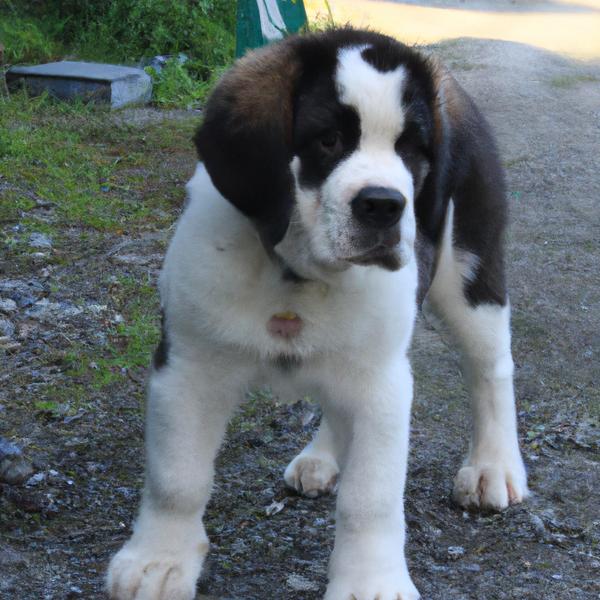
Mini St. Bernard
Pekingese vs Mini St. Bernard
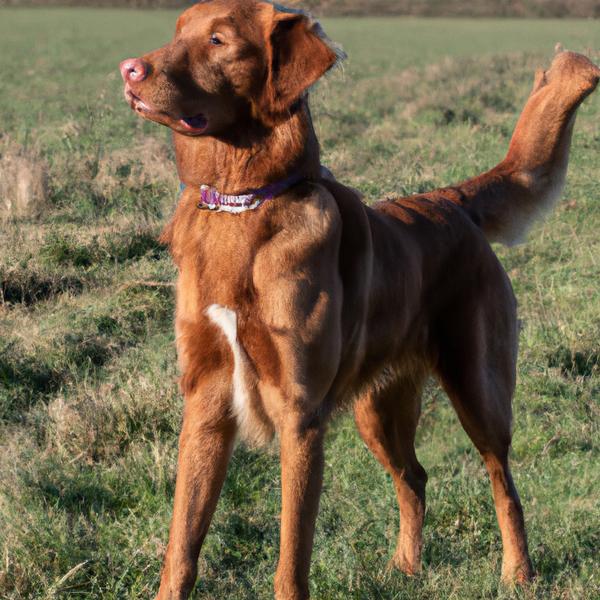
Chatham Hill Retriever
Pekingese vs Chatham Hill Retriever
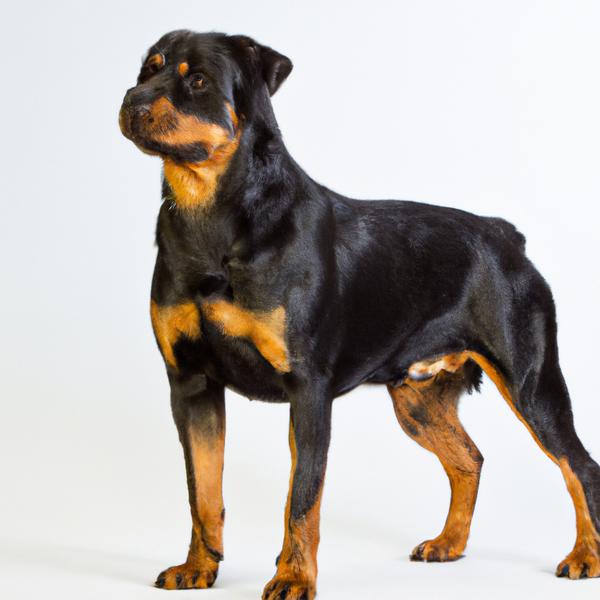
Rotterman
Pekingese vs Rotterman

Enga-Apso
Pekingese vs Enga-Apso
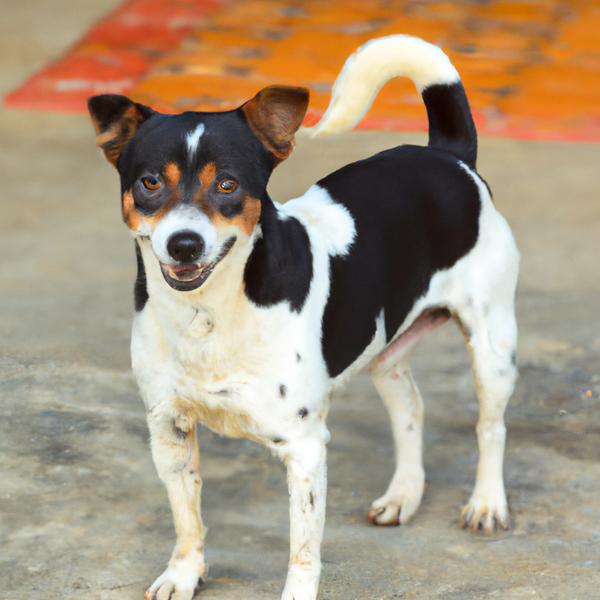
China Jack
Pekingese vs China Jack

Docker
Pekingese vs Docker
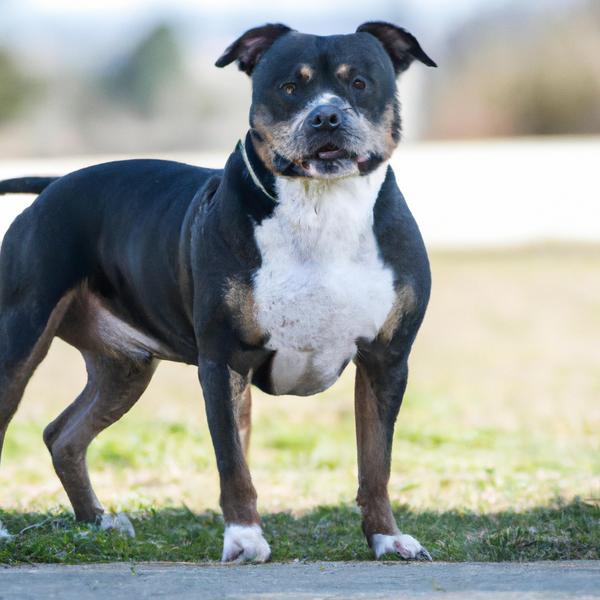
American Bullweiler
Pekingese vs American Bullweiler
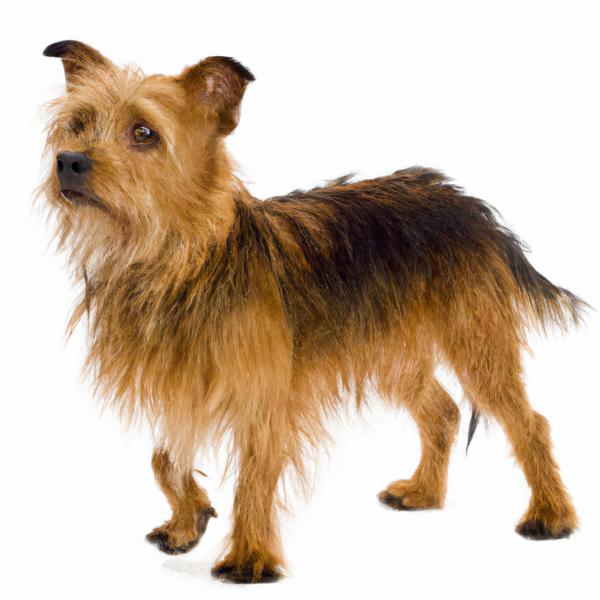
Aussie Silk Terrier
Pekingese vs Aussie Silk Terrier